Strategic CRO Selection & Vendor Partnerships: Real-World Approaches for Emerging Biopharma
Learn practical strategies and insights from experts on how to outsource clinical trials and choose CROs, aimed at helping clinical operations leaders improve study execution and strengthen relationships with vendors.
Speakers
- Nara Daubany – CEO & Co-Founder, Phaim Pharma
- Graeme Duncan – Head of Clinical Development, Neurocentrix
- Claire Herholdt – VP Clinical Operations, Levicept
- Bradley Norton – VP Clinical Operations, Gylden Pharma
- Sarah Whalley – Director Clinical Operations, Uploid Biotechnologies
- Deirdre Flaherty – VP Product Strategy & Clinical Operations, Alchemab Therapeutics
- Julia Vassiliadou – VP Clinical Operations, F2G
Episode Overview
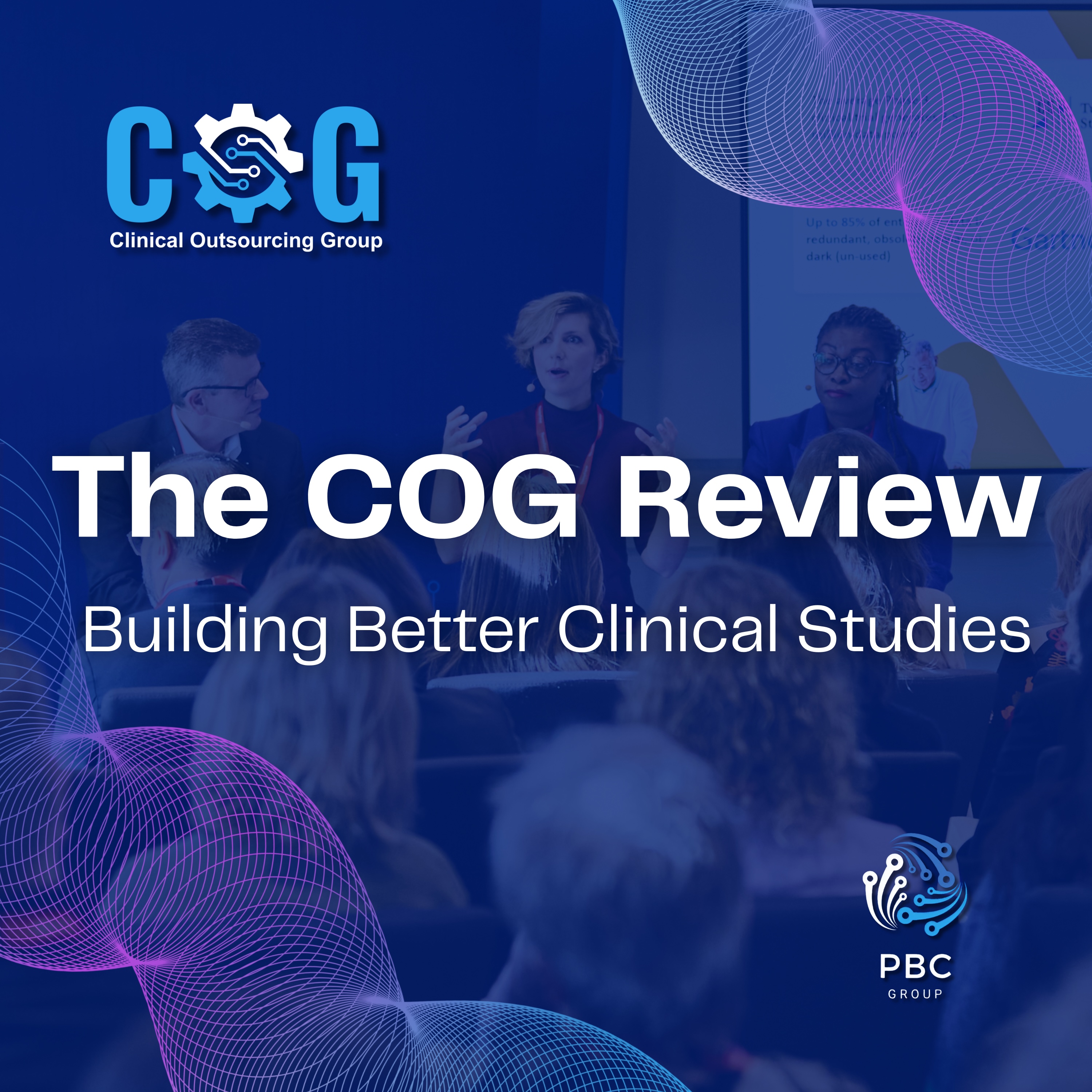
Recorded live at COG UK, this panel brings together senior clinical operations leaders from emerging biopharma and specialty biotech companies to share their operational realities, decision frameworks, and lessons learned in clinical trial outsourcing and CRO selection.
Panelists reveal how small, lean teams evaluate CRO fit beyond price, integrating clinical operations best practices to ensure continuity, ownership, and transparency throughout the study lifecycle. The discussion examines differences in working with small- and mid-sized CROs versus the Big Five providers, including non-negotiables in vendor selection and the impact of global studies on CRO partnership decisions.
Key questions addressed include:
- How do sponsors prioritize CRO selection criteria beyond cost?
- What practical signals indicate a CRO’s operational capacity, therapeutic expertise, and partnership mindset?
- How do sponsors manage global clinical outsourcing, regional complexity, and adapt outsourcing models for rare disease, vaccines, or novel therapeutic areas?
The session offers a real-world look at study startup, site activation, patient recruitment, and the evolving landscape of sponsor, vendor collaboration, all with a focus on clinical study optimization and actionable takeaways for operations, outsourcing, and stakeholder teams.
Key Moments
00:01:49 – Defining the scope: clinical trial outsourcing, vendor fit, and operational efficiency
00:09:18 – Key decision levers for study location and CRO selection, balancing funding, patient access, and regulatory challenges
00:12:18 – Sponsor “killer questions” for CROs: assessing experience, partnership, and project de-risking
00:13:29 – Site selection frameworks: the role of specialty CROs in pain and OA studies, evidence-based site/country choice
00:14:43 – Global partnerships for vaccine trials: aligning CRO selection with endemic regions and collaborative partners
00:17:29 – Rare disease clinical outsourcing: CRO global presence, therapeutic expertise, and sponsor oversight
00:21:10 – Fitting the CRO model to novel, non-traditional clinical trial designs (e.g., IVF, women’s health)
00:24:31 – Weighing small/mid-sized versus large CROs: sponsor risk, project fit, and operational agility
00:27:28 – Sponsor oversight with large CROs: importance of clear communication, consistency, and global reach
00:29:12 – Transparency and adaptive CRO selection across study phases and pivotal trials
00:31:33 – Risk-sharing and creative contracting: milestone payments, outsourcing models, and sponsor independence
00:34:34 – Panel’s “non-negotiables”: continuity, ownership, proactive risk management, and transparent relationships
Top 3 Takeaways
- Deep partnership matters more than price in CRO selection. Sponsors should prioritize operational fit, core team continuity, and shared ownership for clinical study optimization.
- Clinical trial outsourcing models are not one-size-fits-all. Consider therapeutic complexity, geographical spread, internal capabilities, and need for oversight when choosing between small, mid-sized, or global CROs.
- Early, collaborative protocol engagement with CROs reduces downstream amendments and fosters sponsor–vendor alignment, empowering teams to manage risk and accelerate delivery.
Links & Resources
- The PBC Group – Clinical Outsourcing Group events
- Phaim Pharma
- Neurocentrix
- Levicept
- Gylden Pharma
- Uploid Biotechnologies
- Alchemab Therapeutics
- F2G
Quotes
“Fit when they come into the room in that bid defense means a lot. Your ability as a small team to know that you can work with this other group of people collaboratively—that partnership is built through paper as well as formal interactions.” – Deirdre Flaherty
“The traditional setup of the biggest CROs… the worse your project is doing, the more money they make. If you have to add sites or amend, it translates into more cost. That’s untenable for small biotechs.” – Claire Herholdt
“The non-negotiable is the core team assigned to the project. My expectation is during award, that person remains on the study throughout.” – Graeme Duncan
“For rare disease, every patient counts. We needed a CRO with global presence and proven therapeutic expertise, plus strong sponsor oversight.” – Julia Vassiliadou
“It’s rarely cost. What matters to our investors is how fast you can get to a value inflection—how quickly you can get data. All those factors roll into what we want in a CRO partner.” – Deirdre Flaherty
-----------
Further content and agendas: hhttps://thepbcgroup.com
-----------
Further content and agendas: hhttps://thepbcgroup.com
Copyright 2026 The PBC Group